
In the realm of feline care, the quality of cat food plays a pivotal role in ensuring the health and well-being of our beloved companions. Understanding the nuances of cat food, from its various types to deciphering nutritional labels cat food near me, is essential for pet owners seeking to provide optimal nourishment for their furry friends.
This article delves into the significance of selecting high-quality cat food and offers guidance on meeting the unique dietary needs of our feline companions.
Importance of Cat Food Quality
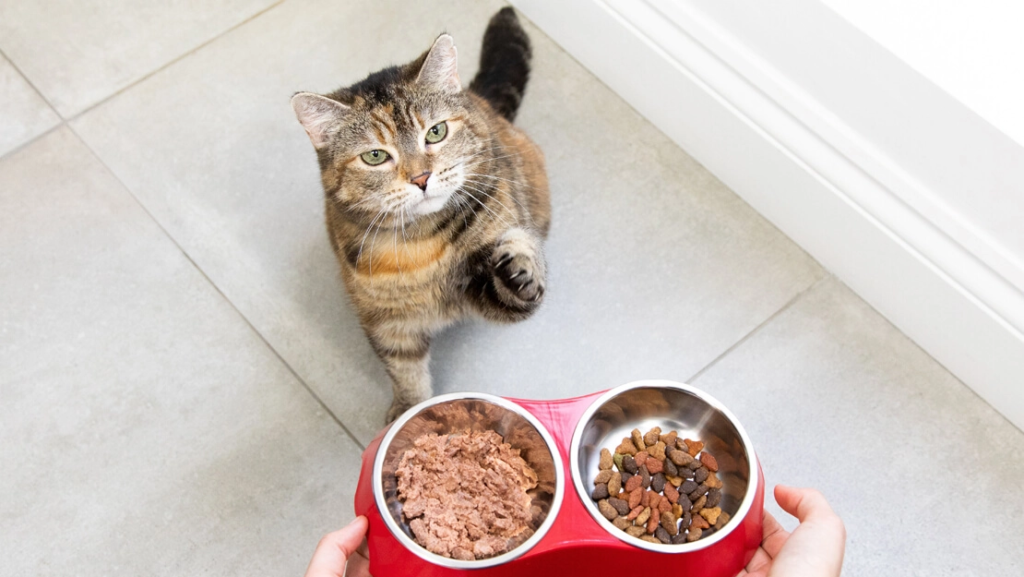
Regularly assessing the quality of cat food is essential for maintaining feline health and well-being. Cats, known for their independence, rely on their owners to provide them with nutrition that meets their dietary needs. High-quality cat food ensures that cats receive essential nutrients such as protein, vitamins, and minerals necessary for their overall health. By choosing premium cat food options, cat owners can help prevent potential health issues and maintain their feline companions’ optimal weight and energy levels.
Furthermore, the quality of cat food directly impacts cats’ coat health, digestive system, and immune function. A diet lacking in essential nutrients can lead to dull fur, digestive problems, and a weakened immune system, making cats more susceptible to illnesses. Ensuring that the cat food is of high quality and free from fillers, artificial additives, and excessive preservatives is crucial for supporting the longevity and well-being of our beloved feline friends. Remember, investing in quality cat food is investing in the health and happiness of your cat.
Types of Cat Foods
Assessing the quality of cat foods is paramount, and understanding the different types available is crucial for meeting feline dietary requirements effectively.
Various types of cat foods cater to different needs and preferences. Dry cat food, also known as kibble, is convenient, has a long shelf life, and helps in maintaining dental health.
Wet cat food, with higher moisture content, can aid in hydration and is often more palatable for picky eaters. Semi-moist cat food offers a middle ground in terms of texture and moisture levels.
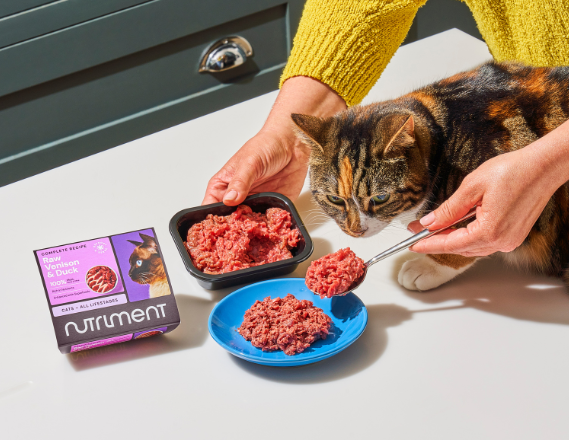
Veterinary prescription diets are specially formulated to address specific health issues like kidney disease or obesity. Raw cat food mimics a cat’s natural diet but requires careful handling to prevent bacterial contamination.
Grain-free cat food excludes grains like wheat and corn, catering to cats with grain sensitivities. Ultimately, choosing the right type of cat food depends on factors such as the cat’s health, age, and personal preferences.
Reading Cat Food Labels
The examination of cat food labels is crucial for understanding the nutritional content and quality of the product. When reading cat food labels, it’s essential to look for key information that can help you make informed decisions about what you are feeding your feline companion.
Start by checking the list of ingredients. Ingredients are usually listed in descending order by weight, so the first few ingredients are the most important. Look for high-quality protein sources like chicken, fish, or beef, and avoid products with fillers such as corn or wheat.
Next, pay attention to the guaranteed analysis section. This part of the label provides information on the minimum percentages of protein and fat and the maximum percentages of fiber and moisture in the food. It gives you a general idea of the nutritional composition of the product.
Additionally, check for any certifications or seals of approval from reputable organizations like the Association of American Feed Control Officials (AAFCO) or the National Animal Supplement Council (NASC). These can indicate that the food meets certain nutritional standards and quality controls.
Understanding Cat Nutritional Needs
To what extent should cat owners be informed about their feline companions’ specific nutritional requirements? Understanding your cat’s nutritional needs is crucial for their overall health and well-being. Cats are obligate carnivores, meaning their diet should primarily consist of animal-based proteins. They require essential nutrients such as taurine, arachidonic acid, vitamins, and minerals that are found in meat sources. A diet lacking in these nutrients can lead to serious health issues in cats.
Proteins are vital for cats as they provide amino acids necessary for various bodily functions, including muscle maintenance and immune system support. Fats are another important component of a cat’s diet as they are a concentrated source of energy and aid in the absorption of fat-soluble vitamins. Cats also need a sufficient amount of water in their diet to support proper kidney function and prevent dehydration.
Selecting the Best Cat Food
Continuing from the previous subtopic on understanding cat nutritional needs, cat owners must carefully consider the selection of the best cat food to meet their feline companions’ specific dietary requirements. When choosing cat food, opt for products that list a high-quality protein source, such as chicken or fish, as the main ingredient. Avoid foods containing excessive fillers like corn, wheat, and soy, as these offer limited nutritional value for cats. Additionally, consider your cat’s age, activity level, and any health concerns when selecting the best food option. Kittens, adult cats, and senior cats have varying nutritional needs, so choose a formula that aligns with your cat’s life stage.
Look for cat foods that are formulated to meet the standards set by the Association of American Feed Control Officials (AAFCO) to ensure they provide the essential nutrients your cat requires. If your cat has specific health issues, consult with a veterinarian to determine if a specialized diet is necessary. Ultimately, selecting the best cat food involves understanding your cat’s individual needs and choosing a high-quality product that supports their overall health and well-being.
Conclusion
In conclusion, it is crucial to prioritize the quality of cat foods due to their impact on a cat’s overall health and well-being.
By understanding the different types of cat foods available, reading cat food labels, and considering cat nutritional needs, cat owners can make informed decisions when selecting the best cat food for their furry companions.
Providing a balanced and nutritious diet is essential for promoting longevity and vitality in cats.